


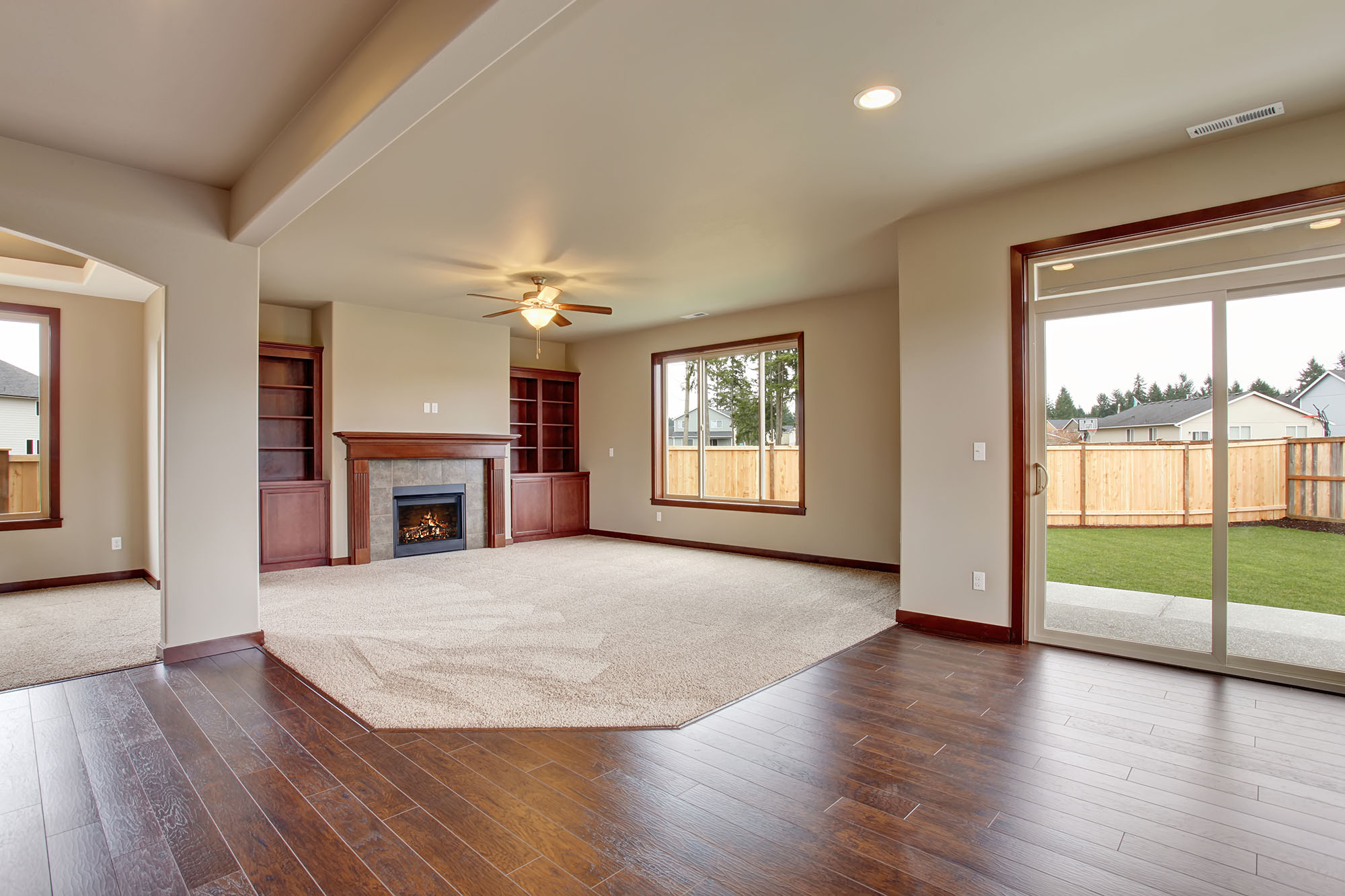
Installing hardwood flooring in Oldsmar, Florida, is a specialized process that leaves no room for error. Florida’s high water table, concrete slab foundations, and intense humidity require precise installation techniques that differ significantly from northern home construction. While DIY projects are popular for small decorative updates, professional hardwood installation is critical to guarantee your investment does not cup, buckle, or hollow out over time.
The Essential Acclimation Phase
A successful hardwood installation begins days before any tools enter your home. Hardwood planks must undergo an acclimation period inside the specific room where they will be installed.
Professionals deliver the wood to your home, uncrate the boxes, and stack the material in a cross-hatched pattern to maximize air circulation. The home's HVAC system must be running at normal living conditions during this period. The wood stays in place until its internal moisture content reaches equilibrium with the home's relative humidity—typically measured and verified with specialized pinless wood moisture meters. Skipping or rushing this step almost guarantees post-installation warping.
Concrete Slab Subfloor Testing and Vapor Barriers
Most homes in Oldsmar are built on concrete slab foundations, which act as sponges for ground moisture. Before placing hardwood over concrete, professional installers conduct rigorous moisture testing.
Using Relative Humidity (RH) probe testing inside the concrete or Calcium Chloride tests, installers determine the exact rate of moisture vapor emissions rising from the slab. If moisture levels exceed manufacturer thresholds, a professional grade liquid moisture vapor barrier or specialized elastomeric underlayment must be applied to the concrete. This membrane blocks subfloor vapor from reaching the bottom of the hardwood planks, creating an impermeable shield between the earth and your new floor.
Glue-Down vs. Floating Installation Methods
In coastal Florida, how hardwood attaches to the subfloor determines its long-term durability and sound quality underfoot. Professionals generally recommend two primary methods for engineered hardwood:
Direct Glue-Down: Installers spread premium, low-VOC urethane or silane-modified polymer adhesives directly onto the concrete slab. These high-tech adhesives remain permanently flexible after curing, allowing the wood to flex naturally while providing superior acoustic dampening and a solid, permanent feel. Many modern adhesives also include built-in moisture vapor barriers for double protection.
Floating Installation: Planks are locked or glued to one another along their tongue-and-groove edges, resting over a dense acoustical pad rather than being attached directly to the subfloor. This allows the entire floor assembly to expand and contract as a unified unit.
Precision Craftsmanship That Stands the Test of Time
Beyond subfloor prep and adhesives, professional installers manage critical architectural details. They calculate proper expansion gaps along walls, baseboards, and doorways to ensure the wood can expand safely during peak humidity months. Door jambs are neatly undercut so planks slide underneath cleanly, eliminating unsightly gaps or rough edge trims.
When working around custom angles, kitchen islands, or fireplace hearths, professional installers ensure pattern alignment remains straight, level, and visually balanced across the entire home.
Partnering with Local Flooring Experts
Investing in hardwood floors adds tremendous warmth and long-term equity to your Oldsmar home. Securing the services of experienced installers guarantees that every layer—from the concrete moisture barrier to the top finish—is built to handle Florida’s unique coastal environment.


