


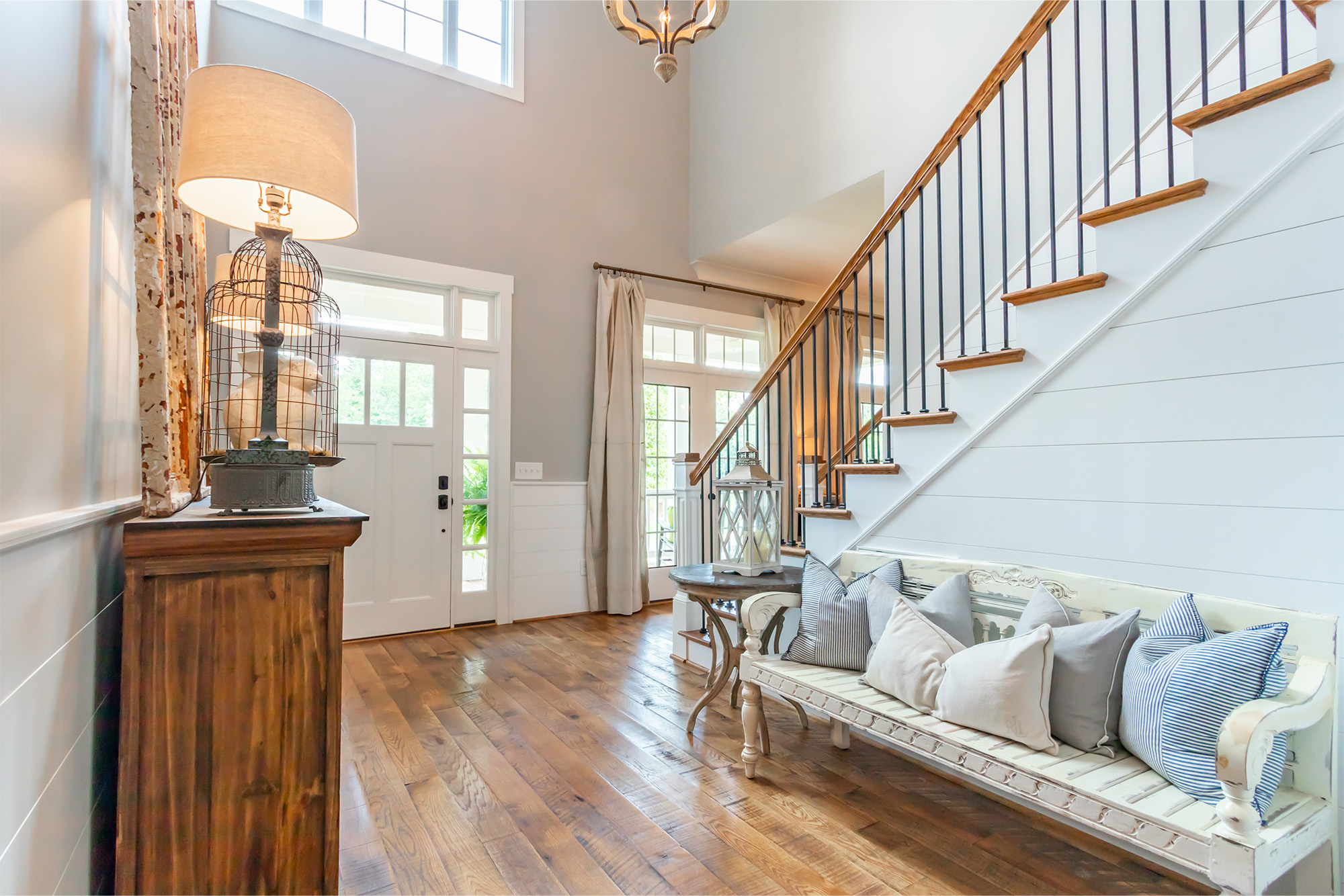
Hardwood floors bring a timeless warmth, character, and sophistication to any home. Unlike most other flooring options, real hardwood can be revitalized multiple times over its lifespan. However, every floor eventually reaches a point where homeowners must decide: is it better to refinish the existing wood or tear it out and start fresh with a full replacement? Understanding the condition of your floors and the limits of refinishing will help you make the best choice for your space.
Understanding the Refinishing Process
Refinishing is the process of sanding down the top layer of existing wood to remove the old finish, surface scratches, and stains. Once the bare wood is exposed, it can be stained a completely new color and sealed with a high-performance protective topcoat.
Refinishing is ideal if your hardwood is structurally sound but looks tired, dull, or dated. It allows you to transform the entire aesthetic of your room—shifting from a dark traditional oak to a natural light Scandinavian look, for example—at a fraction of the cost and disruption of a full replacement.
Signs Your Floor is a Great Candidate for Refinishing
If your floors exhibit any of the following issues, a professional refinishing job will likely bring them back to life:
Minor Surface Scratches and Scuffs: Wear from pets, furniture, and foot traffic that hasn’t penetrated deep into the wood grain.
Faded or Discolored Finish: Sun exposure or worn-down finish in high-traffic pathways.
Outdated Stain Colors: Healthy wood that simply needs a modern color update.
Light Board Separation: Minor seasonal gapping that can be filled and smoothed during the sanding phase.
When Full Replacement Becomes the Better Choice
While refinishing works wonders, wood floors cannot be sanded endlessly. Solid hardwood can typically be refinished four to six times, while engineered hardwood can usually only handle one to two refinishes depending on the thickness of its wear layer.
Replacement becomes necessary when:
The Wood Layer is Too Thin: If previous refinishing jobs have worn the wood down to the tongue-and-groove joints or exposed the core of engineered wood, sanding is no longer possible.
Severe Water or Structural Damage: Deeply warped, cupped, or rotting planks caused by plumbing leaks or standing water often require complete removal.
Extensive Pet Stains: Dark urine stains that have soaked deep into the wood fibers often bleed back through fresh stain and varnish.
Changes in Floor Layout: If you are removing walls or changing the footprint of a room, sourcing matching aged wood can be difficult, making replacement a cleaner solution.
Make the Right Choice for Your Hardwood Floors
Deciding between refinishing and replacing comes down to structural integrity, budget, and design goals.
If you aren't sure which path is right for your home, reach out to our floor care specialists today for an in-person evaluation and expert advice tailored to your space.


