


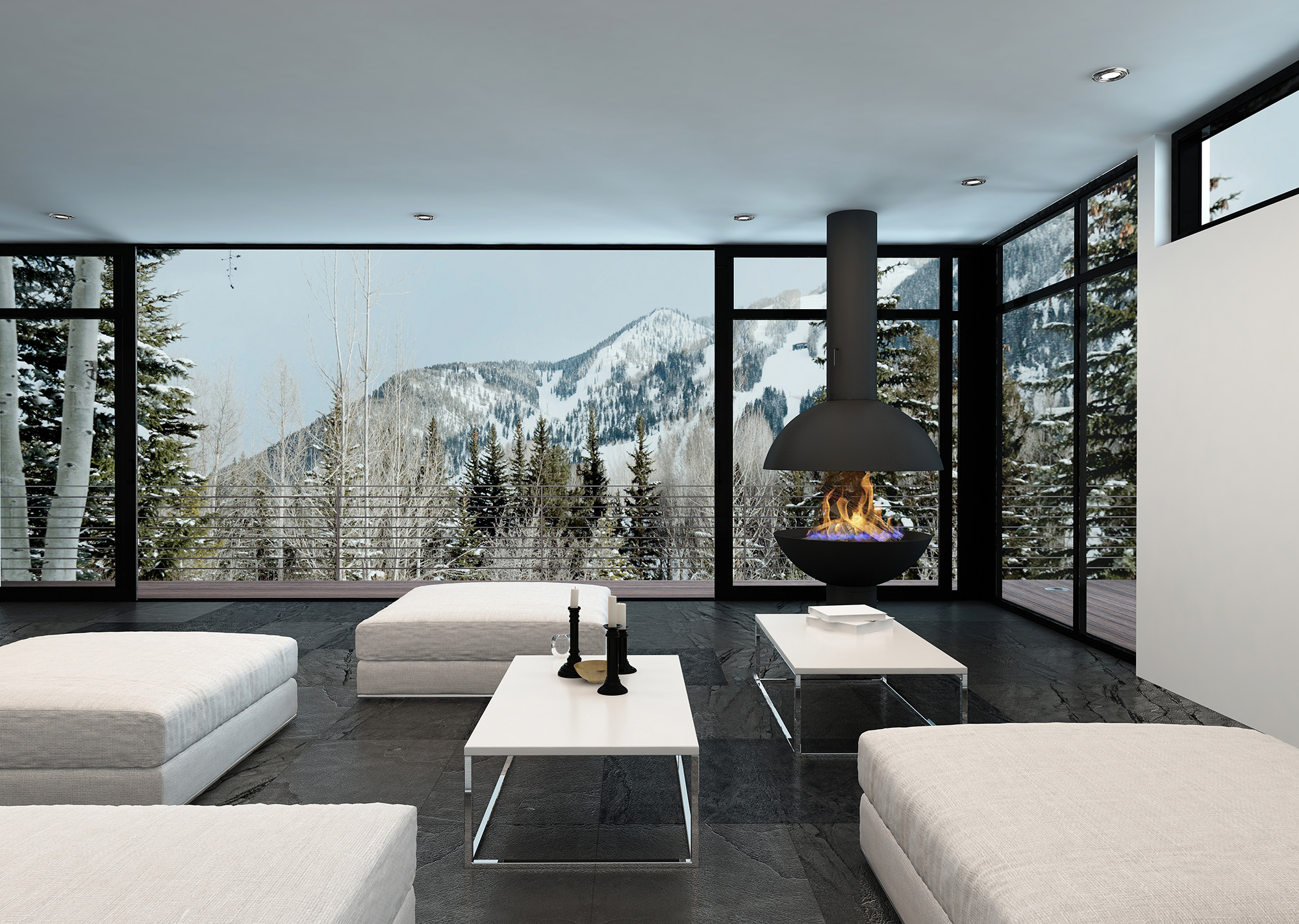
Tile has earned its reputation as one of the most durable, long-lasting flooring materials available. When properly installed and cared for, a quality ceramic or porcelain tile floor can easily last 50 years or more. However, achieving that kind of longevity requires far more than simply selecting a beautiful tile from a showroom. The true secret to a floor that withstands decades of daily life lies beneath the surface—in the skill, precision, and technique of professional installation.
The Hidden Foundation: Subfloor Preparation
Before a single tile is set, the underlying surface must be meticulously evaluated and prepared. Tile is a rigid material with almost zero flexibility. If it is laid over a subfloor that is uneven, flexing, or structurally compromised, the tile will inevitably crack under pressure.
Professional installers spend significant time ensuring the substrate is completely clean, flat, and structurally sound. They understand how to address subtle variations in the floor level, apply appropriate underlayments, and install uncoupling membranes when necessary. These preparation steps isolate the tile from movement in the subfloor, preventing cracks from transferring upward into your brand-new floor.
Precision with Adhesives and Mortar Coverage
A common point of failure in amateur installations is improper mortar application. Tile requires full, even coverage underneath to eliminate hollow spots or air pockets. When a heavy object is dropped on a tile with an air pocket underneath, the lack of support causes the tile to shatter.
Experienced installers use specialized troweling techniques—specifically flat-troweling followed by directional, parallel ridges—to ensure 85% to 95% mortar coverage beneath every single tile. They also select the exact type of thin-set or adhesive required for your specific tile material, size, and environment, ensuring a permanent bond that won’t break down over time.
Expansion Joints and Layout Planning
Building materials expand and contract with natural changes in temperature and humidity. Without adequate room to move, tiles will press against one another, leading to tenting, buckling, or cracked grout lines.
Professionals plan for movement by incorporating expansion joints along room perimeters, transitions, and at specific intervals across large spans. Additionally, proper layout planning avoids awkward, tiny tile cuts along walls and ensures the entire installation looks symmetrical, balanced, and visually appealing from every angle.
Grouting and Sealing for Long-Term Protection
Grout does more than fill the gaps between tiles; it seals out moisture, dirt, and debris while supporting the structural layout. Applying grout requires precise timing, proper mixing ratios, and expert technique to avoid pinholes, uneven color, or weak spots.
Once the grout cures, professional sealing protects vulnerable cementitious grouts from water absorption and staining. This final protective barrier ensures your floor remains clean, hygienic, and visually striking for years to come.
Protect Your Investment with Expert Craftsmen
Investing in high-quality tile is only half the battle—ensuring it stands the test of time requires professional expertise.
If you are ready to upgrade your space with a flawless, long-lasting tile installation, contact our experienced team today to schedule your design consultation and quote.


